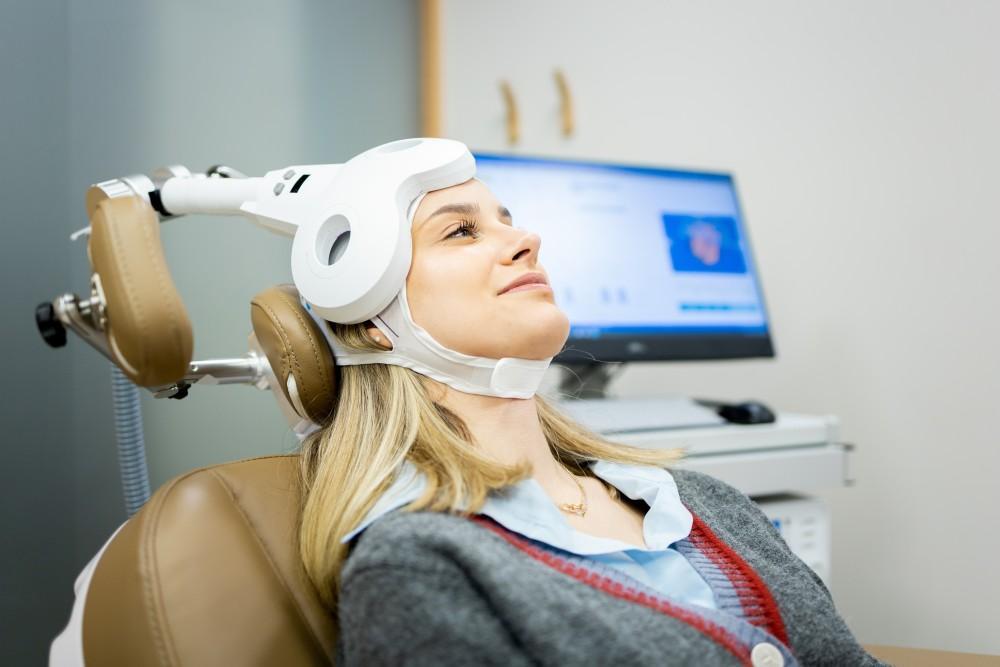
Every year, we learn more about successfully treating mental health conditions like depression and anxiety. And, treatment options that may have been perceived as “fringe” or to be saved for a last resort become more mainstream. That includes transcranial magnetic stimulation (TMS) treatment for mental health symptoms, an increasingly common mental health support strategy that doesn’t rely on medication.
At Greater Lowell Psychiatric Associates LLC North Chelmsford, Massachusetts, we’ve provided successful TMS treatment to many patients. Dr. Ronald P. Winfield and his team are here to help you learn if TMS could form a major cornerstone of your mental health care, and why so many people are now opting for TMS.
What you experience with TMS
The experience of undergoing TMS treatment differs in many ways from other mental health approaches. Instead of talking to a therapist about your struggles, or trying medications that could relieve your mental health symptoms, with TMS, you rest while a machine stimulates your brain. Of course, it’s worth noting that you can easily pair TMS treatment with other forms of mental health care such as talk therapy.
In TMS therapy, pulses of magnetic energy pass through your skull and impact your brain. To deliver these pulses, we use the CloudTMS system, combining a stimulating coil carefully positioned on top of your head with a handheld control device.
For most patients, receiving TMS treatment is a relaxing in-office appointment. If you notice any discomfort around your scalp due to the stimulating coil, we can adjust the coil’s position or reduce the intensity of the magnetic pulses. The system can be loud, so we do recommend ear plugs for your comfort.
With TMS treatment, you don’t need to talk about painful past experiences, or risk significant side effects like those that can come with a new psychiatric medication. But, you can still significantly improve your mental health. Post-TMS changes to your brain structure and mental health take place at a deeper level, one beneath your conscious awareness, reducing the stress of your treatment overall.
Mental health results after TMS
Your brain responds to the stimulation of TMS treatment by releasing neurotransmitters, activating the areas most closely related to mood regulation. In order to receive the most benefit, you’ll need a series of 36 treatment sessions, staggered over the course of about 12 weeks.
As you complete treatment, you’re likely to notice lasting relief from depression, anxiety, and other mental health complaints. Treatment actually changes the underlying structure and activity of your brain, so your symptom relief can be very long-lasting.
It’s no wonder that this is an increasingly popular approach to treating depression and anxiety. As many as 70% of treated patients reported significant results, if not total depression remission.
There’s no reason to wait and see if you can manage your symptoms with medication. TMS works as a first-level treatment for depression and other mental health conditions. TMS is completely noninvasive, and offers you a drug-free pathway to improved mental health.
To learn if TMS is right for you, schedule your initial consultation appointment with Dr. Winfield at Greater Lowell Psychiatric Associates online or over the phone today.